



Two important auto coverages — and when they may apply
Auto insurance can be confusing, especially when different coverages sound like they do similar things. Two coverages people often mix up are comprehensive coverage and collision coverage.
Both may help protect your vehicle, but they are designed for different types of losses.
Think of it this way:
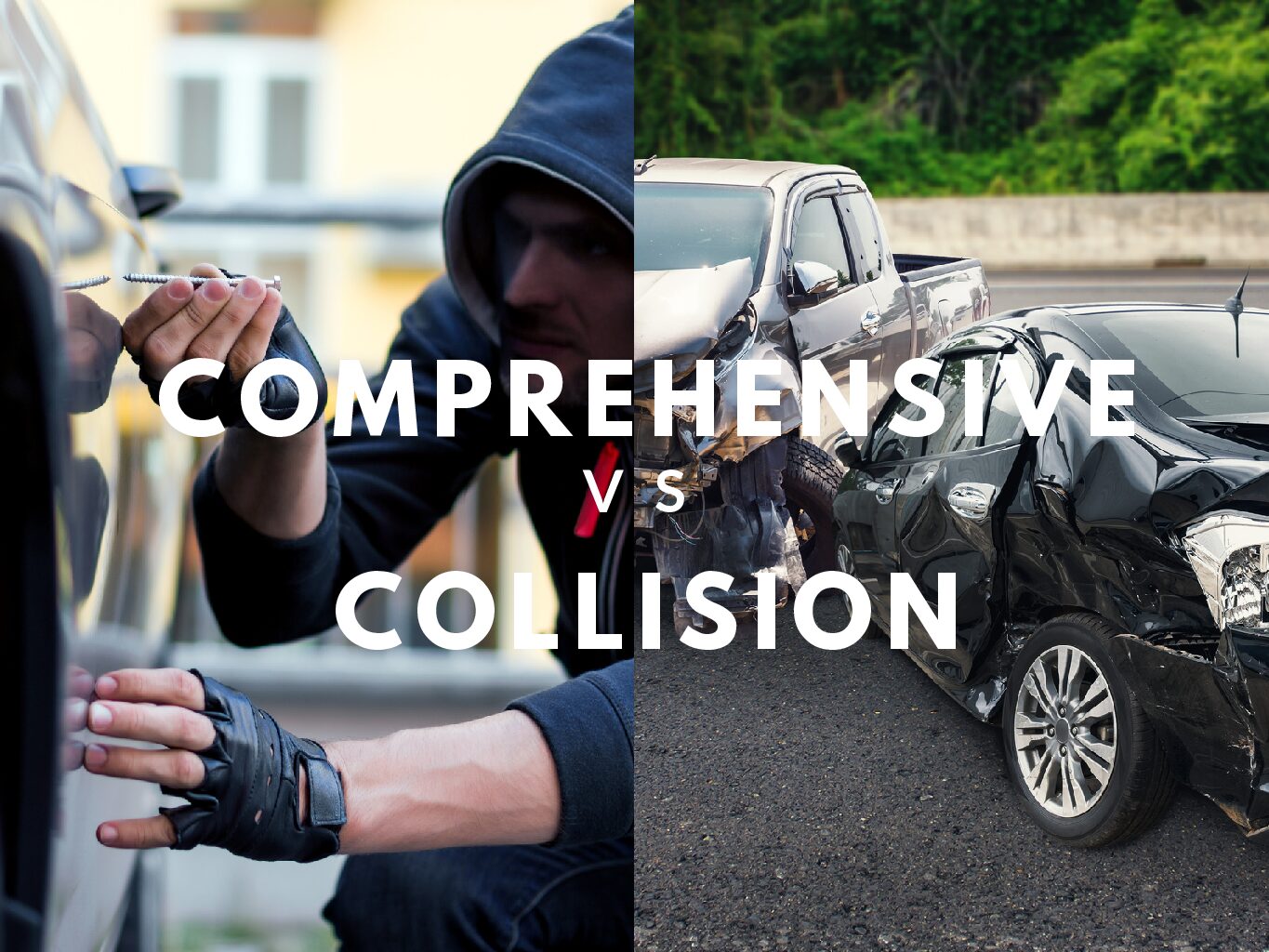
Collision usually involves your car hitting another vehicle or object.
Comprehensive usually involves damage that is not caused by a typical collision.
Understanding the difference can help you make better decisions before something happens.
Collision: when impact is involved
Collision coverage may apply when your vehicle is damaged in an accident involving another vehicle or object.
That could include situations like:
-
Hitting another car
-
Backing into a pole
-
Hitting a guardrail or curb
-
Damage from certain rollover accidents
This coverage is especially important to understand if your vehicle is financed or leased, because lenders often require it.
Comprehensive: when something else damages your car
Comprehensive coverage may apply to certain losses that are not caused by a typical driving collision.
Examples may include:
-
Theft
-
Vandalism
-
Fire
-
Hail or storm damage
-
Falling objects
-
Animal impact
-
Certain glass damage
Despite the name, “comprehensive” does not mean everything is covered. The details still depend on your specific policy, deductible, exclusions, and claim circumstances.
Why “full coverage” can be misleading
Many people say they have “full coverage,” but that phrase does not describe one specific insurance policy.
One person may use “full coverage” to mean they have liability, comprehensive, and collision. Another person may think it includes rental reimbursement, roadside assistance, uninsured motorist, or other coverages.
The safer question is not, “Do I have full coverage?”
The better question is: “What does my policy actually include, and what would I pay out of pocket after a loss?”
A quick example
Imagine two different situations:
Your car is parked outside during a storm, and a large branch falls on it. That type of loss may involve comprehensive coverage.
Now imagine you are driving and hit a guardrail. That would usually be a collision situation.
Same vehicle. Different cause of damage. Different coverage section may apply.
When should you review these coverages?
It may be a good time to review comprehensive and collision coverage when:
-
Your auto policy is renewing
-
You buy or sell a vehicle
-
You pay off a car loan
-
A new driver is added to the household
-
Your vehicle is getting older
-
You are considering changing deductibles
-
You are trying to reduce premium
Sometimes removing or reducing coverage can lower the cost of insurance. But it can also leave you responsible for repairs or replacement after a loss. The right decision depends on the value of the vehicle, your budget, lender requirements, and your comfort with risk.
Comprehensive and collision coverage are both valuable parts of an auto policy, but they do different jobs.
Before making changes to your policy, take a few minutes to understand what you have, what your deductible is, and what situations may or may not be covered.
Questions about your auto coverage?
If you are not sure what your auto policy includes, contact your servicing team at Just Insurance Brokers. We are here to help you understand your options before a claim happens.
Disclaimer: This article is for general educational purposes only and does not change, expand, or guarantee coverage. Coverage depends on the specific terms, conditions, limits, deductibles, exclusions, and endorsements of your policy.